
"high shed"
800 article(s) found

Description and treatment of Coffee Flavor in lemon Manor in Nicaragua introduction to Fine Coffee with Taste
Nicaragua Lemon Tree Manor Lemon Tree Manor is located in the YasicaNorte region of Nicaragua and is managed by SantosDemitrio Flores. The planting area of coffee is 171ha, the size of the nature reserve is 77 ha, the elevation is between 850m and 1150 m, and the average annual temperature is 20-28C. The manor mainly grows Kaddura, Java, Pagmara and yellow pug.

Coffee farmers are more accustomed to using water washing treatment to introduce the coffee production environment of Nicaraguan coffee-producing countries.
The suitable climate provides an excellent growth environment for the cultivation of coffee. The mineral-rich pozzolanic soil provides abundant nutrients for the cultivation of coffee trees. High-quality Nicaraguan coffee is also grown in the northern and central highlands of the country. The best coffee is produced in Matagalpa (Matagalpa), which is highly respected by coffee lovers all over the world.
A brief introduction to the Market Price of Boutique Coffee in Nicaragua
In order to ensure the quality of coffee, the manual picking method is used to pick the fully ripe fruits one by one, which usually takes three times to complete. Although the manual picking method has high labor cost and low picking efficiency, it can greatly protect the plant from being hurt in the picking process, and the mature fruit will have better sweetness at the same time.

A brief introduction to the planting manor, growing environment and treatment of Nicaraguan coffee
Traditional Nicaraguan coffee farmers are used to using water washing method for subsequent processing of coffee fruits. Coffee farmers are more accustomed to using water washing to ensure that the flavor of raw coffee beans is more stable and clean. it was not until about 2009 that the traditional attitudes of coffee farmers changed and began to try processing methods such as full sun and honey in more areas. Nicaragua is located in central Central America.

The flavor and taste of Rwandan coffee beans with long-lasting aroma the characteristics of the manor producing area are introduced to Kimmel Manor.
Most of the coffee in Rwanda is washed. The water washing method will first wash and flotation the ripe coffee fruit, then remove the exocarp, pulp and part of the pectin layer, then send the coffee into the fermentation tank, remove the remaining pectin layer and then send it to the drying ground for drying treatment, so that the water content reaches about 13%. The coffee in the picture above is placed in an African shed to dry.

Introduction to the characteristics of coffee flavor and taste in lemon tree manor in Nicaragua
Columbus arrived here in 1502 and reached the east coast of Nicaragua. In 1522, Spanish colonists began to conquer the region. The cities of Granada and Leon were founded in 1524. From then on, Nicaragua became a Spanish colony and came under the jurisdiction of the Governor's Office of Guatemala. The city of Leon developed into a political and cultural center; Granada became a commercial and agricultural center. In the later period of colonial rule

Delicate and rich flavor and aroma characteristics of Nicaragua and Lemon Manor Matagalpa
In order to ensure the quality of coffee, the manual picking method is used to pick the fully ripe fruits one by one, which usually takes three times to complete. Although the manual picking method has high labor cost and low picking efficiency, it can greatly protect the plant from being hurt in the picking process, and the mature fruit will have better sweetness at the same time.

Introduction of Yunnan small round grain coffee grinding scale flavor description and taste treatment method
Yunnan small round grain coffee grinding scale flavor description variety introduction coffee is a long-term economic crop, woodland reclamation must be long-term planning, good planning, before reclamation must do a good job of road, shed, fertilizer pool design. When the woodland is reclaimed, the shade trees should be selected so that the coffee woodland after planting has 3040% shade, and then it will be adjusted to 2030%. Water must be done well in planning and design.
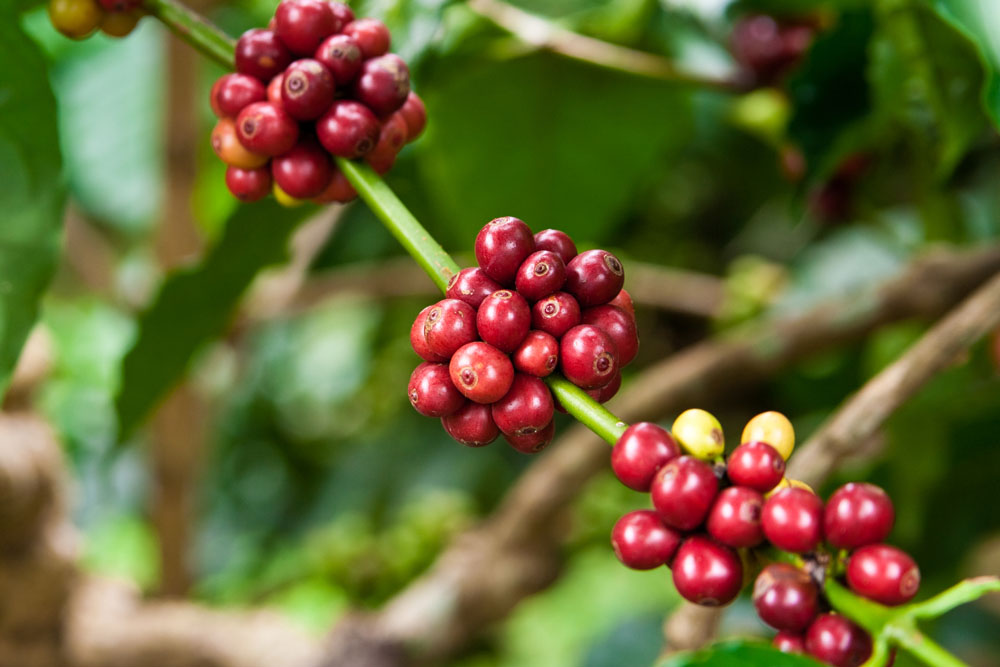
Nicaragua and Lemon Manor Matagalpa produce delicate and rich flavor
Nicaragua, located in the middle of Central America, is the largest country in China and the United States, bordering Honduras in the north, Costa Rica in the south, the Caribbean Sea in the east and the Pacific Ocean in the west. The eastern part is the coastal plain, the high temperature and rainy climate belongs to the tropical maritime climate, and the western part is the coastal lowland with more active volcanoes. The north-central part is a highland, with an average annual temperature of 18 ℃ and an annual precipitation of 1500-2500mm.

Introduction to the Grinding Calibration Manor of the Regional treatment method for the Variety characteristics of Coffee beans in Rwanda
Most of the coffee in Rwanda is washed. The water washing method will first wash and flotation the ripe coffee fruit, then remove the exocarp, pulp and part of the pectin layer, then send the coffee into the fermentation tank, remove the remaining pectin layer and then send it to the drying ground for drying treatment, so that the water content reaches about 13%. The coffee in the picture above is placed in an African shed to dry.
The Historical Origin of Nicaraguan Coffee, introduction of Nicaraguan Lemon Tree Manor
Following Cafe (official Wechat account vdailycom) found that Nicaragua, located in central Central America, is the largest country in Central America, bordering Honduras in the north, Costa Rica in the south, the Caribbean Sea in the east and the Pacific Ocean in the west. The eastern part is the coastal plain, the high temperature and rainy climate is tropical maritime climate, and the western part is the coastal lowland with many jungles and swamps.

Flavor description of Katim Coffee beans introduction to the varieties of manor treatment
Coffee is a long-term economic crop, woodland reclamation must be long-term planning, good planning, before reclamation must do a good job of road, shed, fertilizer pool design. When the woodland is reclaimed, shade trees should be selected so that the coffee woodland after planting has 3040% shade, and then adjusted to 2030%. The planning and reclamation of horizontal terraces must be done well in the planning and design, which is the primary work of soil and water conservation.

Introduction of Nicaraguan Fine Coffee the taste characteristics of Nicaraguan coffee
Nicaragua, located in the middle of Central America, is the largest country in China and the United States, bordering Honduras in the north, Costa Rica in the south, the Caribbean Sea in the east and the Pacific Ocean in the west. The eastern part is the coastal plain, the high temperature and rainy climate belongs to the tropical maritime climate, and the western part is the coastal lowland with more active volcanoes. The north-central part is a highland, with an average annual temperature of 18 ℃ and an annual precipitation of 1500-2500mm.

Introduction to the planting History of Coffee and Lemon Tree Manor in Nicaragua
Following Cafe (official Wechat account vdailycom) found that Nicaragua, located in central Central America, is the largest country in Central America, bordering Honduras in the north, Costa Rica in the south, the Caribbean Sea in the east and the Pacific Ocean in the west. The eastern part is the coastal plain, the high temperature and rainy climate is tropical maritime climate, and the western part is the coastal lowland with many jungles and swamps.

Nicaragua and lemon tree estate manual picking method Matagalpa production
Specialty coffee is also known as specialty coffee. It refers to coffee made from green beans with excellent taste characteristics grown in a few extremely ideal geographical environments. Depending on the particular soil and climatic conditions in which they are grown, they have outstanding flavors. This type of coffee is carefully selected and graded for its hard texture, rich taste and wind.

Introduction to the flavor and taste of the coffee producing area of Rwanda Coffee Manor introduces the characteristics of Rwandan coffee
Most of the coffee in Rwanda is washed. The water washing method will first wash and flotation the ripe coffee fruit, then remove the exocarp, pulp and part of the pectin layer, then send the coffee into the fermentation tank, remove the remaining pectin layer and then send it to the drying ground for drying treatment, so that the water content reaches about 13%. The coffee in the picture above is placed in an African shed to dry.

Most of them are washed and treated with Rwandan boutique coffee Chimere Manor to introduce the Lute Xilo producing area in the western province.
Most of the coffee in Rwanda is washed. The water washing method will first wash and flotation the ripe coffee fruit, then remove the exocarp, pulp and part of the pectin layer, then send the coffee into the fermentation tank, remove the remaining pectin layer and then send it to the drying ground for drying treatment, so that the water content reaches about 13%. The coffee in the picture above is placed in an African shed to dry.

Ethiopian coffee producing area introduction The difference between red cherry coffee and Kocher coffee and
There are eight major coffee producing areas in Ethiopia: Lekempti, Limu, Illubabor, Djimmah, Harar, Teppi/Bebeka, Sidamo and Yirgacheffe. Yegashefi is a small town in Ethiopia with an altitude of 1700-2100 meters. It is one of the highest coffee producing areas in the world and synonymous with Ethiopian fine coffee. Lake Turkana, Argentina

Introduction to the flavor and taste of boutique coffee beans in Nicaragua Los Congo Manor Coffee Variety producing area
Columbus arrived here in 1502 and reached the east coast of Nicaragua. In 1522, Spanish colonists began to conquer the region. The cities of Granada and Leon were founded in 1524. From then on, Nicaragua became a Spanish colony and came under the jurisdiction of the Governor's Office of Guatemala. The city of Leon developed into a political and cultural center; Granada became a commercial and agricultural center. In the later period of colonial rule

Introduction to the fragrant and delicious coffee of Nicaragua Los Congo Manor Coffee
High-quality Nicaraguan coffee, grown in the north and middle of the country. Coffee is a pillar industry in Nicaragua, producing nearly 100,000 tons of coffee beans every year. Many people who have tasted Nicaraguan coffee usually think that it is no different from Salvadoran coffee or Honduran coffee. It is full-bodied, smooth and delicate, with a slightly bitter finish, like a faint taste in a wine. In